170 Easy Sudokus Puzzle Book KDP: A Streamlined Asset for Publishers and Creators
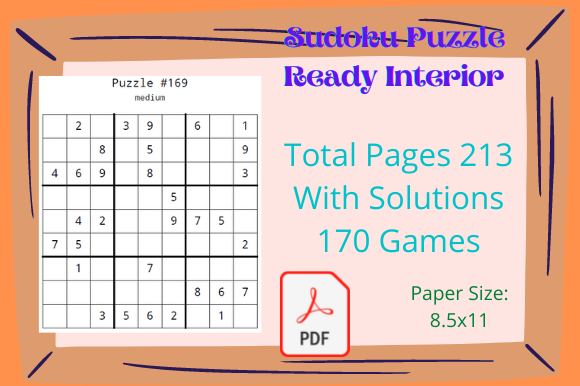
In the bustling ecosystem of digital publishing and print-on-demand (POD), success often hinges on efficiency and the quality of foundational assets. For entrepreneurs, educators, and hobbyists looking to enter the low-content book market, having a professionally structured, ready-to-use interior file can dramatically streamline the production process. The 170 Easy Sudokus Puzzle Book KDP represents precisely such an asset. It is a complete, 213-page digital PDF product, formatted for immediate upload to platforms like Amazon KDP (Kindle Direct Publishing), containing 170 distinct easy-level Sudoku puzzles with individual solutions.
The Role of Pre-Built Interiors in a Publishing Workflow
Launching a low-content book project involves several key stages: conceptualization, content creation or sourcing, design, formatting, platform setup, and finally, publication and marketing. For many creators, the design and formatting phase—ensuring file compatibility, page dimensions, and print-ready quality—can be a significant bottleneck. This is where a product like the 170 Easy Sudokus Puzzle Book KDP integrates seamlessly. It acts as a turnkey solution for the core content component, allowing you to focus your efforts on other critical areas such as cover design, keyword research, and marketing strategy.
Using this pre-formatted interior effectively shifts your workflow timeline. Instead of starting from a blank canvas, you begin with a complete, vetted puzzle set. This allows for a rapid prototyping approach. You can upload the PDF to KDP almost immediately to check formatting against the platform’s previewer, giving you a concrete feel for the final product within minutes. This practical step can inform subsequent decisions about cover aesthetics and pricing much earlier in the process.
Compatibility and Usability as Core Features
The technical specifications of the 170 Easy Sudokus Puzzle Book KDP are deliberately aligned with common POD requirements. The 8.5 x 11 inch dimension is a standard US letter size, ensuring compatibility without adjustment across most platforms. The black-and-white interior optimizes printing costs and is universally supported. Perhaps most importantly, the inclusion of a PowerPoint (.pptx) source file is a critical feature for workflow integration.
This editable source file transforms the product from a static PDF into a flexible asset. If your process requires adding an author name, a dedication page, or adjusting the order of puzzles, you can do so directly in PowerPoint—a tool familiar to most users. This means the product is not an endpoint but a starting point. It encourages customization without forcing you to master more complex design software like Adobe InDesign, thereby maintaining efficiency and reducing technical friction in your publishing workflow.
Practical Implementation for Diverse Users
The utility of this puzzle book interior extends beyond the typical KDP publisher. Its application can be adapted for various goals and user profiles.
For the educator or homeschooling parent, this collection of easy Sudokus presents a ready-made resource. The workflow here involves downloading the PDF, printing specific pages, and integrating them into lesson plans or activity packets. The puzzles serve as cognitive exercises for students, and the included solutions provide a quick reference for guidance or correction. Because the file is digital, it can be used repeatedly, forming a long-term part of a teaching toolkit.
For the blogger or content creator focused on productivity, mindfulness, or brain health, the puzzles can be repurposed as downloadable lead magnets or subscriber perks. The workflow might involve extracting a few sample puzzles from the PDF, creating a branded introduction page using the provided PPTX file, and offering it to an audience. This leverages the asset not for direct sales on KDP, but as a supporting tool for community building and audience engagement.
For the freelancer or small business owner operating a local print shop or offering tutoring services, the interior can be a source of commercial product. After potential customization via the PPTX file, the PDF can be printed in bulk and sold physically or used as a promotional item. This integrates the digital product into a broader, offline business workflow centered on physical goods and services.
Organization and Quality Control Considerations
A significant advantage of using a pre-made interior like this is the inherent organization and assumed quality control. The 170 puzzles are presumably sequenced and graded as “easy,” which is a crucial categorization for the target audience of puzzle books. In your workflow, this eliminates the need to source, vet, and difficulty-rank 170 individual puzzles—a task that demands considerable time and expertise.
The one-game-per-page layout is a standard, user-friendly format that ensures clarity and prevents overcrowding. When you integrate this into your KDP project, you are adopting a layout that has proven usability for the end customer. This consistency in presentation aids in creating a professional final product, which is a key factor in customer satisfaction and positive reviews on retail platforms. The inclusion of solutions on separate pages adds another layer of usability for the buyer, enhancing the perceived value of your published book.
Long-Term Use and Asset Integration
Viewing the 170 Easy Sudokus Puzzle Book KDP as a single-use item limits its potential. A more strategic workflow approach considers it a reusable digital asset within your content library. After publishing one Sudoku book using this interior, you might use the same PPTX template structure to create a sequel with a different puzzle set, maintaining brand consistency across your publications. The familiarity with the file’s structure gained from the first project accelerates the production of subsequent ones.
Furthermore, this interior can interact with other tools and resources. For instance, you might combine it with a cover design template from the same store, creating a cohesive product suite. In a marketing workflow, the finished book derived from this interior can be promoted using social media scheduling tools, email marketing platforms, or Amazon Advertising. The interior is the core content engine that drives these downstream activities.
Key Factors for Smooth Integration
To seamlessly integrate this product into your own process, a few practical observations are worth noting. First, always verify the latest KDP or your chosen POD platform’s file specifications before final upload, even when using a pre-formatted file. This is a simple but critical quality control step. Second, if you edit the PPTX file, maintain the original page dimensions and margin settings to preserve its print-ready status. Third, consider your audience: “easy” Sudokus appeal to children, beginners, or those seeking a relaxed mental activity. Ensure your cover design and marketing copy align with this difficulty level to create a coherent product experience.
Finally, remember that the value of such a digital product lies in its ability to de-risk and accelerate your project. It provides a substantial portion of the required content in a compliant format. Your workflow then becomes less about creation from scratch and more about curation, customization, and commercialization. This shift allows professionals, creators, and entrepreneurs to allocate their finite time and energy to the strategic elements of publishing that truly differentiate a product and build a sustainable venture.