A Detailed Guide to Flowers and Floral Patterns KDP Interior
If you are creating a book, especially for platforms like Amazon Kindle Direct Publishing (KDP), or designing any project that needs a touch of natural elegance, you've likely considered floral artwork. The sheer beauty of flowers and floral patterns can elevate a project from generic to captivating. However, sourcing and implementing these designs correctly is a process where many creators, even experienced ones, stumble. This can lead to wasted time, subpar final products, and even compliance issues. Let's explore how to effectively use a resource like the Flowers and Floral Patterns KDP Interior, and how to avoid the common pitfalls that can undermine your creative efforts.
Understanding the Resource and Its Potential
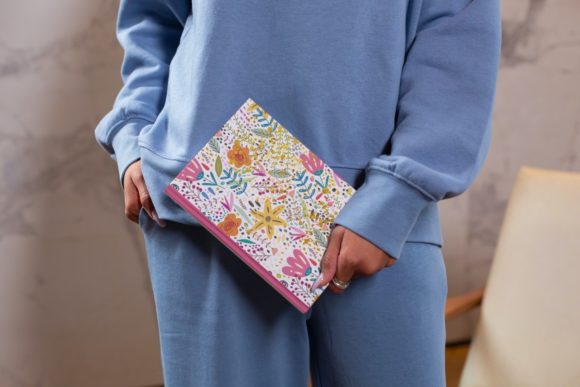
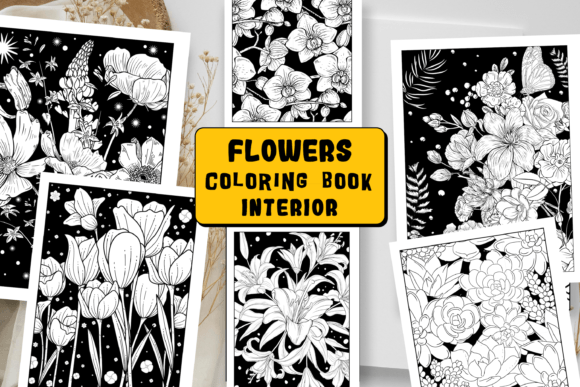
The Flowers and Floral Patterns KDP Interior is a collection of 33 distinct, detailed illustrations designed specifically for use as book interiors, particularly for coloring books or as decorative backgrounds. Each page is sized at the standard 8.5 x 11 inches and provided in both ready-to-use PNG format and an original source file. This dual format offering is crucial. The PNGs are perfect for quick placement, while the source file—often a vector format like AI or SVG—allows for infinite scalability and customization without quality loss. Many creators miss this nuance, which is key to versatility.
Why is this collection appealing? For authors and designers, it provides a professionally crafted, cohesive set of patterns that saves hundreds of hours of drawing or sourcing disparate images from unreliable websites. It ensures a consistent aesthetic throughout a project, which is vital for reader experience and brand perception. The applications extend far beyond coloring books; these floral patterns can serve as subtle backgrounds for journals, decorative elements in guides on gardening or botany, or even as artistic textures in marketing materials for wellness and lifestyle brands.
Common Oversights in File Format and Resolution
A frequent and costly mistake is misunderstanding the file types provided. Some users download the PNG images and immediately use them for a cover design or a large-format poster, only to find the images appear pixelated or blurry. PNGs are raster images; they have a fixed resolution. While perfect for interiors at the provided 8.5x11 size, scaling them up significantly degrades quality. The overlooked hero here is the original source file. This file is your safeguard for quality. Before committing to a project, always open and inspect the source file. Can you edit the line weights? Can you change colors without jagged edges? Can you scale a single flower to fill a page without issues? This check is your first step toward professional results.
Another related error is not verifying the actual resolution of the PNGs. For print, especially for KDP, a minimum of 300 DPI (dots per inch) is recommended. While this collection is designed for print, a habit you should adopt is to confirm this specification yourself in your image editing software. Using a low-resolution image for a printed book interior leads to soft, unclear lines that frustrate users, particularly in coloring books where crisp outlines are essential. Always validate the technical specs match your output medium.
Misapplication and Contextual Clarity
Floral patterns are beautiful, but they are not universally appropriate. A common creative misstep is using highly detailed, intricate floral illustrations for a project that requires minimalism or clarity of text. For example, using a dense, busy floral pattern as a background for a full page of text in a gardening guide can make reading strenuous and reduce accessibility. The better approach is to use these patterns strategically. Consider using them on section divider pages, chapter headers, or as border elements. Test your layouts. Print a sample page or view it on multiple devices. Does the pattern enhance or obstruct the primary content? The Flowers and Floral Patterns KDP Interior offers variety; choose the simpler, more open designs for text-heavy pages and reserve the most detailed illustrations for standalone artistic pages.
Furthermore, while the collection is themed, ensure it aligns with your specific niche. A book on wildflowers might benefit more from these patterns than a technical manual on floral biochemistry, where clarity and scientific imagery are paramount. Assess the emotional and thematic congruence before integrating them.
Licensing and Usage Assumptions
Perhaps the most critical area for correction is the assumption of usage rights. When you purchase a digital asset like this, you are typically granted a commercial license to use it within your projects (like a book you sell on KDP). However, a dangerous oversight is redistributing or reselling the raw image files themselves as your own product or in another collection. This is a breach of license and can lead to legal complications. Always read the specific terms of use provided with the Flowers and Floral Patterns KDP Interior. A better practice is to document your understanding of the license: are you allowed to use it in multiple projects? Are there limits on the number of copies sold? Clarifying this upfront protects your business and reputation.
Similarly, do not assume the collection includes every floral motif you might need. It contains 33 pages. If your project requires 40 unique pages, you will need to supplement it. Plan your project's page count against the provided assets and source additional compatible artwork early, ensuring all elements share a similar style and quality level to maintain coherence.
Practical Integration and Workflow Advice
To avoid last-minute technical hassles, integrate these files properly into your workflow. Do not simply drag PNGs into your KDP template. Use professional layout software like Adobe InDesign, Affinity Publisher, or even advanced word processors that handle images well. Place the images, then add your text or other elements. For coloring books, the process is more straightforward, but ensure your document's dimensions exactly match the 8.5x11 inch specification of the images to avoid automatic scaling that might distort a pattern.
A practical tip many professionals follow is to create a master project file where you import all 33 patterns. Then, duplicate this file for each new project, deleting unused pages and adding new content. This maintains a clean, organized archive of your resources. Also, utilize the source file to create derivatives if needed. Perhaps you need a specific flower in a different color scheme for your brand. Use the source file to make this change cleanly, rather than attempting to edit a PNG, which often yields poor results.
Evaluating Before You Begin
Before finalizing your decision to use the Flowers and Floral Patterns KDP Interior, conduct a simple audit. Open the files and scroll through all 33 designs. Is there sufficient variety in complexity—some simple, some complex—to serve your different page needs? Check the format of the source file. Is it compatible with your software (e.g., .AI for Adobe Illustrator, .SVG for broader use)? If you don't have software to open the source file, the PNGs are your only tool, which limits future flexibility. Investing in basic vector editing software might be a worthwhile complementary step.
Finally, consider your audience. Adults coloring intricate floral patterns often seek relaxation and a challenge. The detailed nature of this collection suits that. But if your target is younger children or individuals seeking quick, simple art, these patterns might be too demanding. Matching the asset's complexity to your user's skill and expectation is a cornerstone of satisfaction. By taking these measured, informed steps, you can harness the full potential of this beautiful collection, ensuring your project is not only visually stunning but also technically robust and perfectly aligned with your creative and commercial goals.