Evaluating the Bowling Log for Score Tracking and Performance Analysis
For bowlers seeking to move beyond casual play and develop a more analytical approach to their game, systematic tracking of performance becomes essential. A dedicated Bowling Log, or a structured Bowling Log Book, serves as a central tool for this purpose. This article provides a balanced evaluation of using such a log, exploring its role, benefits, practical considerations, and scenarios where it might be the right fit for your goals.
Understanding the Bowling Log Concept
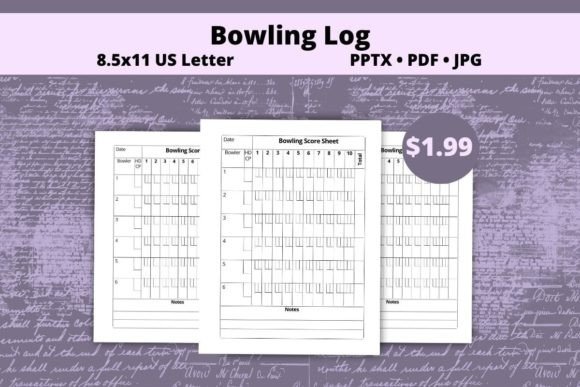
A Bowling Log is fundamentally a record-keeping system designed for bowling statistics and observations. It goes beyond simply writing down final scores. A comprehensive log typically allows for the entry of data per game, such as scores per frame, strike and spare counts, open frame analysis, and notes on lane conditions, equipment used, or mental focus. The physical format is often a book or binder, while digital versions might be spreadsheets or specialized apps. The core intent is to create a historical dataset of one's bowling performance to identify patterns, strengths, and areas for improvement.
Reasons for Interest in a Bowling Log
Individuals might consider adopting a Bowling Log for several objective reasons. The primary driver is usually a desire for measurable improvement. Without recorded data, progress can feel subjective and vague. A log provides concrete evidence. Competitive bowlers, whether in leagues or tournaments, use logs to scout their own performance trends against specific opponents or on particular lane types. Coaches and instructors may recommend logs to their students to facilitate more targeted training discussions. Even recreational bowlers with personal growth goals might find value in seeing their average score increase over time through structured tracking.
Potential Benefits and Outcomes
Implementing a consistent logging practice can yield several practical benefits. The most direct is enhanced self-awareness; bowlers can see clear statistics on their spare conversion rate or first-ball accuracy, moving from a general feeling to a specific percentage. This data supports smarter practice sessions, where time can be focused on weak areas identified in the log. Over a season, the log becomes a valuable archive for setting realistic goals based on past performance, rather than arbitrary targets. Furthermore, the act of recording notes can foster a more mindful approach during gameplay, encouraging reflection on strategy immediately after a game.
Trade-offs and Practical Considerations
Adopting a Bowling Log also involves certain trade-offs. The most significant is the commitment of time and discipline. Accurate logging requires filling out details either during or immediately after bowling, which can feel intrusive if the primary goal is purely social enjoyment. There is also a learning curve to understanding which metrics are most valuable to track for one's specific level; logging too much data can become burdensome, while logging too little may not provide insight. For those using a physical book, there is the matter of carrying and maintaining it. Digital logs solve portability but may involve cost or data entry on a phone, which some may prefer to avoid at the lanes.
Situations Where a Bowling Log is a Strong Fit
A Bowling Log aligns particularly well with certain bowler profiles and objectives. It is a strong fit for league bowlers who face the same teams regularly and wish to develop strategic advantages through historical performance review. Amateurs working with a coach will find the log provides essential shared data for productive coaching sessions. Bowlers targeting a specific average milestone (e.g., breaking 200) benefit from the trend analysis a log offers, confirming whether practice adjustments are working. Individuals who enjoy the process of analytics and self-improvement in hobbies will likely find the logging activity itself rewarding and motivating.
When Alternatives Might Be Worth Considering
While a dedicated Bowling Log is powerful, alternatives exist and may be more suitable in some cases. For the extremely casual bowler who values uninterrupted social interaction, simply remembering a final score or using a basic notes app for occasional highlights might suffice. Some bowlers might prefer a minimalist approach, tracking only their final average via a league website or a simple spreadsheet, avoiding frame-by-frame details. Furthermore, specialized bowling performance apps offer automated tracking and advanced analytics, which could be preferable for tech-oriented users who want to avoid manual entry. Evaluating whether the full structure of a formal log book is necessary depends on one's appetite for detail.
Practical Decision-Making Insights
To determine if a Bowling Log aligns with your needs, consider these evaluative questions. First, assess your primary bowling goal: is it improvement, competition, or relaxation? Improvement and competition goals strongly support log usage. Next, estimate your available time and patience for data entry after bowling sessions. If it seems enjoyable or worthwhile, proceed. Then, decide on format preference: physical book for tactile simplicity, or digital for analysis and portability. Many find starting with a basic template for a few weeks useful before committing to a purchased log book. Finally, define what "success" would look like from using the log—is it a higher average, better spare shooting, or simply a clearer understanding of your game? Having this end goal clarifies the logging effort's value.
Implementation and Available Resources
For those deciding to implement a Bowling Log, various resources exist. Pre-designed Bowling Log Book products, often available as printable PDFs or physical notebooks, provide structured templates with columns for frames, splits, strikes, and notes. These can streamline the process significantly. Some packages include companion files, such as editable PowerPoint (PPTX) templates for creating custom charts or presentations from the data, and high-resolution (JPG) image files for cover pages or digital use. A comprehensive package might be delivered as a ZIP file containing folders for PDF, PPTX, and JPG resources. For example, a 120-page PDF file formatted at 8.5x11 inches would be ready for printing or digital use, offering a complete, organized system for a season or year of logging. The key is selecting a format that matches your commitment level and technical preference, ensuring the log becomes a helpful tool rather than a burdensome chore.
In summary, a Bowling Log is a focused tool for bowlers intent on analytical self-improvement. Its value is derived from the consistent accumulation and review of performance data. By weighing the benefits of clear insight against the considerations of time and effort, and by honestly assessing one's own bowling objectives, an individual can make an informed decision on whether this approach to tracking will serve their goals and enhance their experience of the game.