Master Your Finances with a Budget Planner Printable Best for KDP
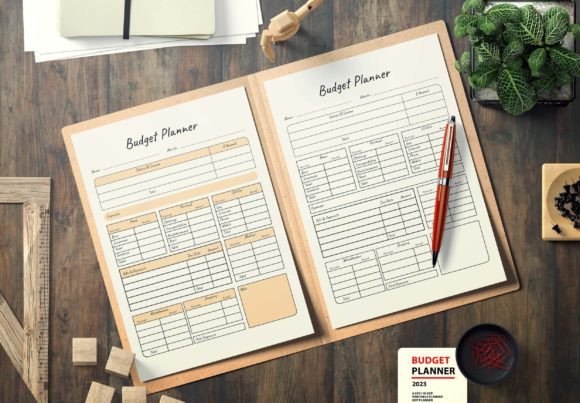
A budget planner printable designed for KDP (Kindle Direct Publishing) is a comprehensive digital template. It is intended for individuals who seek to organize their finances, build productive habits, and foster a healthier lifestyle through structured planning. Unlike a pre-printed physical book, this product is a downloadable file package. The core offering includes multiple editable and ready-to-print file formats, such as AI, EPS, PDF, JPG, PNG, and SVG, all formatted for the standard 8.5x11 inch paper size. This approach allows you to print the planner at home or a local shop and customize certain elements, like fonts, during the editing process before printing.
Why Consider a Budget Planner Printable?
Individuals exploring a budget planner printable best for KDP are typically seeking control and clarity over their personal finances. The primary appeal is flexibility. You are not locked into a pre-designed book with rigid categories that may not suit your specific income streams, expenses, or savings goals. With editable file formats, you can tailor sections to your needs before committing to print. This is particularly valuable for people with variable incomes, side businesses, or unique financial targets.
Another significant reason for interest is cost-effectiveness and immediacy. After purchase, you gain instant access to the files. You can print only the pages you need, as many copies as required, and replace sheets if mistakes are made—all without purchasing a new physical planner. This reduces waste and allows for iterative improvement of your budgeting system. For those committed to a hands-on, DIY approach to personal organization, this model aligns well with a preference for tangible, paper-based planning without the limitations of mass-produced products.
Key Advantages and Potential Outcomes
The central benefit of using a budget planner printable best for KDP is the creation of a personalized financial management tool. By engaging in the process of editing and printing, you invest mental effort upfront, which can lead to deeper commitment to the budgeting process itself. The act of physically writing on your printed sheets can enhance accountability and memory retention compared to purely digital apps. The inclusion of multiple file formats, especially editable vectors like AI and EPS, offers professional-grade customization for users with design software skills.
Successful use of such a planner can lead to clearer financial visibility, reduced impulsive spending, and systematic progress toward goals like debt repayment or savings accumulation. The structure encourages regular review sessions, fostering a habit of financial mindfulness. Furthermore, the printable format allows integration with other paper-based systems, like bullet journals or family calendars, creating a unified planning ecosystem.
Important Considerations and Limitations
While the benefits are clear, several tradeoffs exist. First, this product requires a degree of technical and logistical effort. You must have access to design software (like Adobe Illustrator) to utilize the editable AI or EPS files, or be comfortable working with PDFs. The need to arrange printing—whether at home with a quality printer or at a shop—adds a step and potential cost. If your home printer lacks good quality or you make frequent errors, the convenience factor diminishes.
Second, the template provides structure but not guidance. It is a framework, not a financial education course. You must already understand budgeting principles or be willing to learn them separately to populate the sheets effectively. The note about fonts not being included means typographic consistency relies on your choices, which could affect the final aesthetic if you plan to edit the core design.
Finally, the physical nature of the planner means it is not automatically synced or backed up. Data is manually entered and stored on paper. This can be a security consideration for highly sensitive financial details and a practicality issue if you need access to your budget while away from your physical copy.
Identifying a Strong Fit for Your Situation
A budget planner printable best for KDP is a particularly strong fit for certain users and scenarios. If you are a visual learner who prefers pen-and-paper methods but also wants the ability to tweak the layout before printing, this hybrid digital-physical solution is ideal. It is also excellent for small business owners or freelancers who need to track business and personal finances together in a customizable format. The editable files allow creation of custom categories for client projects, irregular income, and business expenses.
This planner fits well within a broader goal of building life organization habits. If you are undertaking a holistic improvement in productivity, health, and finance, having a printable template you can incorporate into a larger binder or filing system provides tangible control. Furthermore, for families managing a shared household budget, the ability to print multiple copies of key sheets for different members can facilitate collaborative financial planning.
When Alternatives Might Be Worth Exploring
Despite its advantages, a printable template may not be the optimal solution for everyone. If your primary need is automation and real-time syncing, dedicated budgeting software or mobile apps offer superior functionality. These tools can link to bank accounts, categorize transactions automatically, and provide dynamic charts and forecasts without manual entry. They are better suited for individuals with highly digital lifestyles or those who find manual data entry tedious and error-prone.
Another alternative is a professionally printed, bound budget planner book. If you value high-quality paper, pre-designed aesthetic coherence, and zero setup hassle—and do not need customization—a ready-made book might be a more convenient purchase. This option eliminates the need for printing logistics and software editing. However, you sacrifice flexibility and may pay more for a book with pages you never use.
For those seeking financial education alongside structure, a book that combines budgeting worksheets with chapter-by-chapter guidance on money management principles could be a more comprehensive starting point. The printable template focuses purely on the tool; the learning must come from elsewhere.
Practical Decision-Making Insights
To determine if a budget planner printable best for KDP aligns with your needs, conduct a simple self-assessment. First, evaluate your technical comfort and resources. Do you have a reliable printer and basic software to view and perhaps edit PDFs? Are you willing to manage the printing process? Second, consider your customization needs. Are your financial categories standard (housing, food, transportation) or unique? If they are mostly standard, a pre-made book or even a simple notebook might suffice. If they are unique, the editable files offer significant value.
Finally, reflect on your engagement style. Do you commit more readily to systems you have personally set up and adapted? The act of customizing and printing can build ownership. Or do you prefer a system that is ready to use immediately, requiring minimal upfront investment? Your answer here will steer you toward printable templates or pre-made alternatives. By weighing these factors—technical capacity, need for customization, and personal engagement psychology—you can make an informed choice that supports your journey toward financial organization and a healthier, more productive lifestyle.