The Essential Role of a Photography Log Book in Creative Workflow
In the digital age of photography, where thousands of images can reside on a single hard drive, the act of deliberate record-keeping often falls by the wayside. However, for photographers seeking to deepen their craft, manage complex projects, or simply chronicle their artistic journey, a physical photography log book remains an indispensable tool. The process of manually logging details—from exposure settings to location notes and client information—creates a tangible connection to the work that digital metadata alone cannot provide. This practice fosters mindfulness, enhances learning, and builds a valuable archive of professional experience.
From Concept to Printed Product: The KDP Interior Advantage
The rise of platforms like Amazon’s Kindle Direct Publishing (KDP) has democratized access to publishing, allowing creators to design and sell physical products directly to a global audience. This is particularly relevant for niche tools like specialized logbooks. A well-designed Photography Log Book KDP Interior template transforms from a digital file into a professional, printed book ready for the market. The key to success in this space lies in the quality and specifications of the interior design file, which directly impacts the final printed product’s usability and appeal.
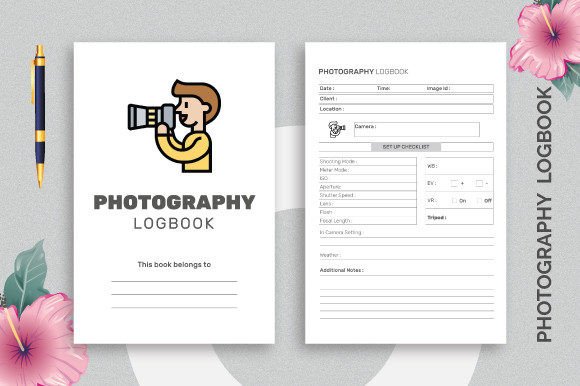
Consider the specifications for an effective logbook interior: a trim size of 6" x 9" inches offers a portable yet spacious layout, easy to carry in a camera bag. 120 pages provides ample room for extensive logging without being overly bulky. The designation of No Bleed in the settings is crucial for interiors where functional design elements like lines, boxes, and text need to sit precisely within the page margins without being cut off during printing. Providing the final product in multiple file formats—PDF for universal printing, AI for Adobe Illustrator customization, and JPG for quick previews—empowers the seller to meet various printer requirements and offer flexibility to potential buyers who might want to print themselves.
Core Characteristics of a High-Quality Logbook Interior
When evaluating or creating a photography log book interior for KDP, several features stand out as non-negotiable for both the creator and the end-user.
- Super High-Resolution Printing: All graphical elements, fonts, and fine lines must be crafted in high resolution. This ensures that when the book is printed, the text is sharp, and any decorative borders or icons are crisp, avoiding a blurry or pixelated appearance that would detract from the professional feel and functionality.
- Nice Interior Designs: The layout must balance aesthetics with utility. A clean, attractive design with thoughtful typography and consistent section headers makes the logbook inviting to use. This includes logical organization—dedicated sections for technical data, creative observations, client details, or project timelines—all presented in a visually cohesive manner.
- Ready-to-Print & Ready-to-Upload: The final files should require no additional modification from the seller. They are formatted to KDP’s specifications, with correct page dimensions, margins, and a complete front matter (title page, perhaps an introduction). This “ready” state significantly streamlines the publishing process.
An interior that embodies these traits, like one described as an adorable logbook tracker, suggests a design that goes beyond mere functionality. It might incorporate charming illustrations, a pleasing color palette, or whimsical yet clear icons for tracking moods, lighting conditions, or equipment used. This approach makes the routine task of logging feel less like administrative work and more like part of the creative ritual.
Real-World Applications Across the Photographic Spectrum
The utility of a dedicated photography log book extends to nearly every type of photographer, each finding unique value in its structured pages.
For the Hobbyist and Learner, the logbook serves as an educational diary. By forcing the habit of recording shutter speed, aperture, ISO, and lens choice for each significant shot, the photographer builds a reference library. Over time, they can look back at successful images and see exactly how they were achieved, accelerating the learning process far beyond relying on memory.
Professional and Commercial Photographers use these books for client and project management. A log can track session details: client contact information, agreed-upon shot lists, locations, times, and even contractual notes. For wedding photographers or event specialists, it becomes a running timeline of the day’s events. This physical record is invaluable for post-shoot follow-up, invoicing, and ensuring no detail is forgotten amidst the chaos of a shoot.
Fine Art and Landscape Photographers often use logs to capture the ephemeral conditions beyond the camera settings. They note the weather, the time of sunrise or sunset, the direction of the wind, the quality of light, and their own subjective impressions. This contextual data becomes part of the artwork’s story and can be essential for planning return trips to a location under similar conditions.
Integrating the Logbook into a Modern Digital Workflow
A common misconception is that a physical logbook is incompatible with a digital photography workflow. In practice, it complements it beautifully. The logbook acts as the primary capture point for non-digital data at the moment of creation—the ideas, feelings, and logistical details. Later, when processing images in software like Lightroom, the photographer can refer to their log to add keywords, titles, or captions that are rich with context, making their digital archive far more searchable and meaningful.
Furthermore, the act of writing engages a different part of the brain than clicking through menus on a camera or computer. This manual process can spark new creative insights or help solve problems. For instance, noting “the client seemed anxious during the family portrait session” might remind the photographer to send a more reassuring follow-up email, enhancing client relations.
Key Considerations for Creators and Consumers
For the KDP Seller designing the interior, the focus must be on creating a tool that is genuinely helpful. Market research is key. Understanding what photographers actually want to track—perhaps a section for gear maintenance logs, a calendar for project deadlines, or prompts for conceptual ideas—will make the product stand out. The description “adorable tracker” indicates an appeal to emotional design, which can be a significant selling point in a market of often sterile, utilitarian notebooks.
For the End-User Photographer purchasing or using such a logbook, the choice should be driven by their specific needs. A portrait photographer might prioritize sections for client details and pose ideas. A travel photographer might need more space for location maps and cultural observations. Assessing the interior layout before purchase is essential. The availability of the interior in AI format is a boon for those who wish to lightly customize the template before personal printing, perhaps adding their studio logo or altering a section header to better suit their niche.
Ultimately, a well-executed Photography Log Book KDP Interior represents a bridge between the analog and digital, between the administrative and the artistic. It provides a structured space for the chaos of creative work, turning fleeting moments and technical decisions into a permanent, valuable record. Whether used by a beginner to document their growth or by a seasoned professional to manage a bustling business, this humble tool underscores a fundamental truth: great photography is not just about seeing and capturing, but also about remembering, reflecting, and organizing. The logbook, therefore, becomes more than just a tracker; it becomes a silent partner in the photographic journey.