Crafting Authenticity: The Composition Notebook - Wide Ruled Font
In a world saturated with sleek, digital aesthetics, a yearning for tangible warmth persists. The Composition Notebook - Wide Ruled font taps directly into this sentiment, offering a bridge between the familiar comfort of handwritten notes and the precision of modern typography. This isn't merely a digital approximation; it's a design asset that captures the specific character of wide-ruled paper, with its distinct spacing and the subtle imperfections of pencil or pen. Its personality is unpretentious, creative, and studious, evoking a sense of genuine effort and personal investment.
The visual style is immediately recognizable: clean, evenly spaced lines that mirror the guiding marks of a classic notebook page. This creates a strong baseline rhythm in any design, lending a structured yet approachable feel. The overall appeal lies in its authenticity. For audiences bombarded by polished corporate messaging, designs utilizing Composition Notebook - Wide Ruled can feel refreshingly human and trustworthy.
Where This Handwritten Font Finds Its Home
The applications for this typeface are remarkably broad, spanning both personal passion projects and professional commercial work. Its inherent warmth makes it a standout choice for branding that wants to emphasize craftsmanship, personal touch, or educational value. Imagine a logo for a small-batch coffee roaster, a local pottery studio, or an independent tutoring service—Composition Notebook - Wide Ruled would instantly communicate care and attention.
In publishing and editorial design, it excels as a display font for chapter titles, pull quotes, or section headers in magazines, blogs, or ebooks focusing on creativity, learning, or DIY topics. It creates a visual hierarchy that feels integrated and thematic, not merely decorative. For packaging design, especially in niches like art supplies, journals, or craft kits, this font can make the product feel like it's already part of the user's creative process.
Digital and social media graphics gain a tactile quality with this font. Posts about planning, goal-setting, or sharing personal progress feel more relatable and engaging when the text itself looks handwritten on familiar notebook paper. It breaks the cold uniformity of standard sans serif fonts without sacrificing readability at larger sizes.
Influence on Perception and Readability
Choosing a font is never just about aesthetics; it's a decision about communication. Composition Notebook - Wide Ruled directly influences brand perception by anchoring it in values of honesty, effort, and clarity. It suggests a brand that is consistent in its approach and professional in its dedication to a specific, often hands-on, niche. This consistency builds recognition—audiences begin to associate that notebook-paper texture with your message.
Regarding readability, this font performs well in headlines, titles, and mid-length text blocks where its distinctive style is meant to be noticed. The wide-ruled lines provide a natural guide for the eye, enhancing legibility. For long paragraphs of body text, however, it's best paired with a simpler, complementary sans serif font. This pairing manages visual hierarchy effectively: the handwritten font grabs attention and sets the tone, while the paired font ensures comfortable, prolonged reading.
Audience engagement often increases when design feels accessible. This font disarms the viewer, inviting them into a space that feels less corporate and more conversational. For content creators, bloggers, and marketers, this can translate into higher connection rates and a more memorable brand identity.
Practical Guidance for Implementation
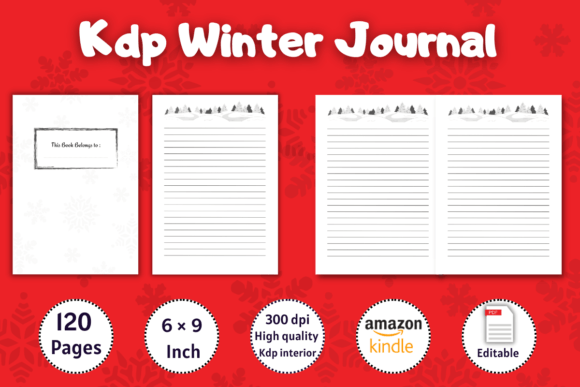
Before committing to Composition Notebook - Wide Ruled for a project, evaluate its fit. Does your project's theme align with authenticity, creativity, education, or personal endeavor? If your message is about cutting-edge technology or formal finance, another typeface might be more suitable. Consider testing it in your actual layouts. Most premium font packages, including this one, come with multiple file formats and the included KDP-ready PDFs with 300 DPI resolution ensure your print projects look sharp.
Font pairing is crucial. This display font works harmoniously with clean, neutral sans serif fonts. Think of a pairing like using Composition Notebook - Wide Ruled for your blog's title and a simple geometric sans serif for the article body. This creates balance. Review all included styles—some versions offer alternates or different weights that can add flexibility.
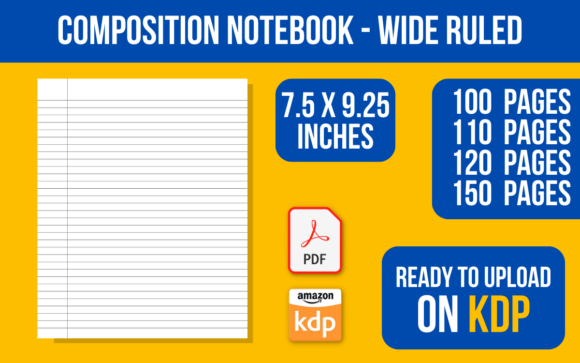
Always check readability in context. Render your headline at the size it will be used, both on screen and in print mockups. The high-quality print-ready PDFs provided, tested for KDP with no errors, are invaluable for this. They allow you to see exactly how the font will appear at 7.5" x 9.25" on 100, 110, 120, or 150 pages, complete with bleed options and “Belongs to” page variations.
Finally, confirm the commercial licensing. This font package is designed for real-world use, meaning you can confidently use it in logos, merchandise, books, and marketing materials for your business or client work. That assurance turns a creative font into a reliable commercial font.
Real-World Examples and Final Thoughts
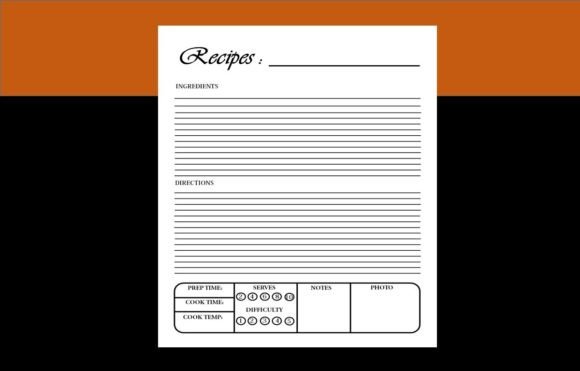
Consider a modern cookbook aiming to feel like a personal family recipe journal. Using Composition Notebook - Wide Ruled for section titles (like "Sunday Suppers" or "Grandma's Secrets") immediately establishes that intimate tone. An entrepreneur selling planner stickers might use the font on their website headers and product packaging to visually unite their brand with the physical act of planning.
The key is to leverage its specific character. Don't use it everywhere; use it purposefully where you want to evoke that notebook sentiment. The ready-to-upload PDF files, prepped for dimensions like 7.5" x 9.25", mean you can move from concept to published product—whether a notebook interior or a branded promotional booklet—with efficiency and confidence.
In essence, Composition Notebook - Wide Ruled is more than a nostalgic homage. It's a practical tool for designers, publishers, and creators who understand that visual language starts with emotional resonance. By choosing a font that people already feel a positive association with, you embed your project with a layer of inherent trust and engagement, setting the stage for everything else your design has to say.