The Practical Value of a Printable Wish List Tracker Template
Organizing aspirations, from holiday gift ideas to personal project supplies, is a common challenge. While digital apps offer convenience, many find that a tangible, physical list provides a different kind of clarity and commitment. A Wish List Tracker printable template bridges this gap, offering a structured, paper-based system designed for repeated use. Its core distinction lies in being a reusable, physical artifact you can customize, annotate, and physically manage, separate from the noise of digital notifications.
Understanding the Printable Template Approach
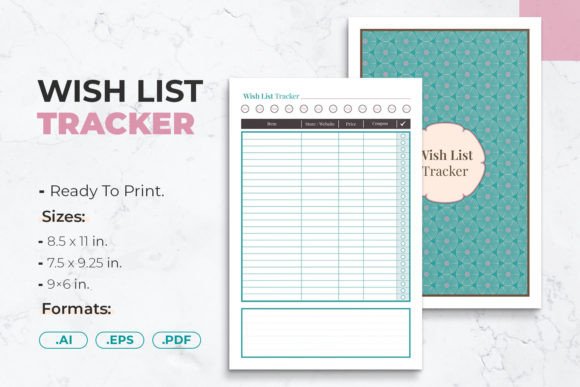
A Wish List Tracker printable template is not a single, static sheet. It is typically a package of formatted pages, designed for printing at home or professional fulfillment. The template provides consistent layouts—spaces for item names, details, priority ratings, estimated costs, and status updates—all within a clean, minimalist grid. This transforms a simple list into a tracking tool, allowing you to monitor desires over time, compare options, and mark achievements.
What makes this approach distinct is its blend of flexibility and permanence. Unlike a hastily scribbled notebook page, the template imposes a helpful structure. Unlike a digital app, it requires no login, suffers no software updates, and exists entirely under your control. You fill it with your own handwriting, which can create a stronger psychological connection to your goals. The "printable" aspect means you can produce copies indefinitely, using it for different categories: one for birthday wishes, another for home renovation items, a third for book purchases.
Key Features and Format Considerations
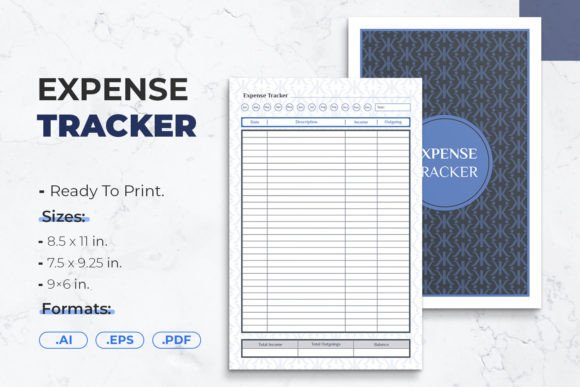
When evaluating a Wish List Tracker template, several technical and design features determine its practicality. The inclusion of multiple file formats—such as AI, EPS, and editable PDFs—is significant for those with design skills. These source files allow for customization of fonts, colors, or layout elements before printing, making the template adaptable to personal or brand aesthetics.
Sizing is a critical decision factor. Common sizes like 8.5" x 11" (US Letter) are ideal for standard binders or filing, while 6" x 9" or 7.5" x 9.25" offer a more compact, often booklet-like feel. A template providing multiple size variants within one package offers greater flexibility. For instance, the 8.5" x 11" size may be best for a family wish list posted on a fridge, while the 6" x 9" could fit neatly in a personal planner or purse.
Print-Ready Specifications
For those considering commercial use, such as selling printed copies via platforms like Amazon KDP, the technical details become paramount. Features like "bleed" (extra image area trimmed off after printing) ensure no unwanted white borders on final products. A 300 DPI print-ready PDF guarantees professional-grade sharpness. The mention of tested KDP-ready files indicates the template has been formatted to pass the platform's automated review, mitigating a common technical hurdle for publishers. Meanwhile, the inclusion of a standard PDF for home printing addresses the needs of individual users, emphasizing the template's dual audience.
Comparison with Alternative Tracking Methods
Choosing a tracking method often involves weighing the trade-offs between digital and analog systems. Digital wish list apps or spreadsheet templates offer automatic sorting, sharing capabilities, and potential price alerts. They excel for collaborative lists or for items with dynamic online prices. Their limitation often lies in over-complexity, device dependency, and a sense of impermanence—lists can feel buried among other apps.
A physical Wish List Tracker printable template offers countervailing strengths. It promotes mindful deliberation as you manually write each entry. It serves as a constant visual reminder when placed in a visible location. It has no barriers to access—no battery or internet required. The trade-off, clearly, is a lack of automation. You cannot click a link to purchase, and updating prices requires manual revision. This makes the printable template a best fit for wishes that are considered over longer periods, where the act of writing and reviewing is part of the enjoyment and decision-making process.
Within the analog category, alternatives exist. One could use a blank notebook, a bullet journal system, or pre-made, bound wish list books. The printable template compares favorably to a blank notebook by providing structure without restrictive permanence; you can print a new, improved version anytime. Compared to a bound book, the printable template offers infinite copies and size choices, though it lacks the finished, polished feel of a manufactured product. The choice hinges on whether you value adaptability and cost-control (printing yourself) over the convenience and tactile quality of a ready-made book.
Identifying the Best-Fit Situations
A Wish List Tracker printable template is particularly well-suited for certain scenarios. It is ideal for individuals who engage in regular goal-setting or budgeting exercises, where seeing a physical record of desired items helps align spending with priorities. Parents managing family gift requests across holidays and events may find a printed sheet simplifies coordination. Crafters or DIY enthusiasts can use it to track needed materials for upcoming projects, annotating with brand comparisons or store locations.
The template also serves a specific business niche: low-content book publishing. Entrepreneurs creating products for the planner, journal, or organizer market can use the editable source files to quickly generate a professional, saleable item without extensive design work. The provided KDP-ready files reduce technical barriers to entry. Here, the template is a resource, not the final product; its value is in accelerating a business process.
When Another Option Might Be Preferable
Despite its utility, a printable template may not be the optimal solution in all cases. If your wish list is predominantly for online shopping with real-time price tracking and one-click purchasing, a digital tool integrated with retailers will likely be more efficient. For highly collaborative lists—say, a wedding registry being updated by many family members—a shared digital document or dedicated website is indispensable. Similarly, if you strongly dislike handwriting or need to manage a very large, constantly changing inventory of items, the manual nature of a printable tracker could become a hindrance rather than a help.
Evaluating Quality and Long-Term Use
The long-term value of a Wish List Tracker printable template depends on both its design quality and your usage pattern. A minimalist, functional layout with clear headings and ample writing space is more sustainable than an overly decorative one that sacrifices utility. Features like margins safe for hole punching directly address longevity, enabling integration into a binder system for permanent reference.
The promise of "unlimited prints" is a key economic consideration. Compared to purchasing multiple pre-made books over years, printing your own copies from a single template purchase can be significantly more cost-effective. This assumes you have consistent access to a printer and quality paper, which is a practical prerequisite for maximizing the template's value. For the business user, the editable source files represent ongoing value, allowing for seasonal updates or style refreshes without new template purchases.
Ultimately, the decision to use a Wish List Tracker printable template centers on a preference for tangible organization and a desire for control over the format. It provides a middle path between the rigidity of a manufactured book and the ephemeral nature of a digital list. By offering multiple formats, sizes, and commercial-ready specifications, a comprehensive template package can serve both personal organizers and aspiring publishers, making it a versatile tool within the broader ecosystem of planning resources.